Pix and UPI: the same real-time payment universe, 14,000 km apart
Julia is a 34-year-old graphic designer in São Paulo, Brazil. On Tuesday morning, she pays her rent, buys coffee at the corner bakery, splits the lunch bill with a colleague, and donates to a local NGO; all without ever touching her wallet, a card, or getting close to an ATM. How does she do it? Through a QR code and her phone.
Almost 14,000 km away, in Mumbai, India, Arjun, a 28-year-old logistics coordinator, does something strikingly similar. He pays his mother's electricity bill, settles an invoice with a supplier, and orders groceries, through an app in seconds.
Julia uses Pix. Arjun uses UPI. They’ve never met, but they’re living the same financial revolution, one that didn’t start in Silicon Valley, but is taking place in Brasília and New Delhi.
This is the story of two payments, or how the Global South entered the race and is lapping the West.-
Pix me the money!
When Brazil's Central Bank launched Pix in November 2020, skeptics expected modest adoption. What happened instead was extraordinary. In 2024 alone, there were 68.7 billion Pix transactions, a 52% increase over the prior year, reaching roughly $5 trillion in value.
By May 2025, Pix had accumulated over 175 million users, with more than 70% of Brazil's population actively using it. That's more users than the entire population of France and Germany combined.
But the numbers only tell part of the story. The real feat was cultural. Pix became a verb. Julia didn’t pay her rent; she “pixed” her landlord the money. And so do millions of Brazilians.
It works 24 hours a day, 365 days a year, free for individuals. Churches collect donations via Pix. Street vendors display QR codes handwritten on cardboard. People use Pix to split bills, pay rent, settle invoices, shop online, and even donate to charities. What began as an alternative payment method became the default mode of economic life.
The secret of its success? Interoperability by design. Pix isn't owned by a bank, a tech giant, or a card network. It belongs to the Central Bank, and every financial institution, from Itaú to the smallest cooperative, must participate. There are no walled gardens here. or how the Global South entered the race and is lapping the West.
That open-architecture decision is precisely what regulators in Colombia, Mexico, and beyond are now poring over.
The system's impact has even caught geopolitical attention: Nobel Prize–winning economist Paul Krugman praised Pix in 2025, suggesting that Brazil may have invented the "future of money" and that the system is "actually achieving what cryptocurrency boosters claimed, falsely, to be able to deliver."
The inclusion revolution
- Real-time payment systems provide market access for millions.
- 60 million Brazilians can now subscribe without a card
- 75% of transactions in India are made through real-time payment systems.
- By 2027, 70% of transactions will be real-time payments.
The UPI wave
India took a different road to the same destination. When the National Payments Corporation of India (NPCI) launched UPI in 2016, the goal was ambitious and deliberately public-spirited: build a payments layer as open as the internet itself, where any bank, any app, any developer could connect.
The result is arguably the most important financial infrastructure built in the 21st century.
The International Monetary Fund recognized UPI in June 2025 as the world's largest retail fast-payment system by transaction volume, accounting for approximately 49% of global real-time payment transactions. In 2025, UPI surpassed Visa in digital payments volume, handling over 640 million transactions per day.
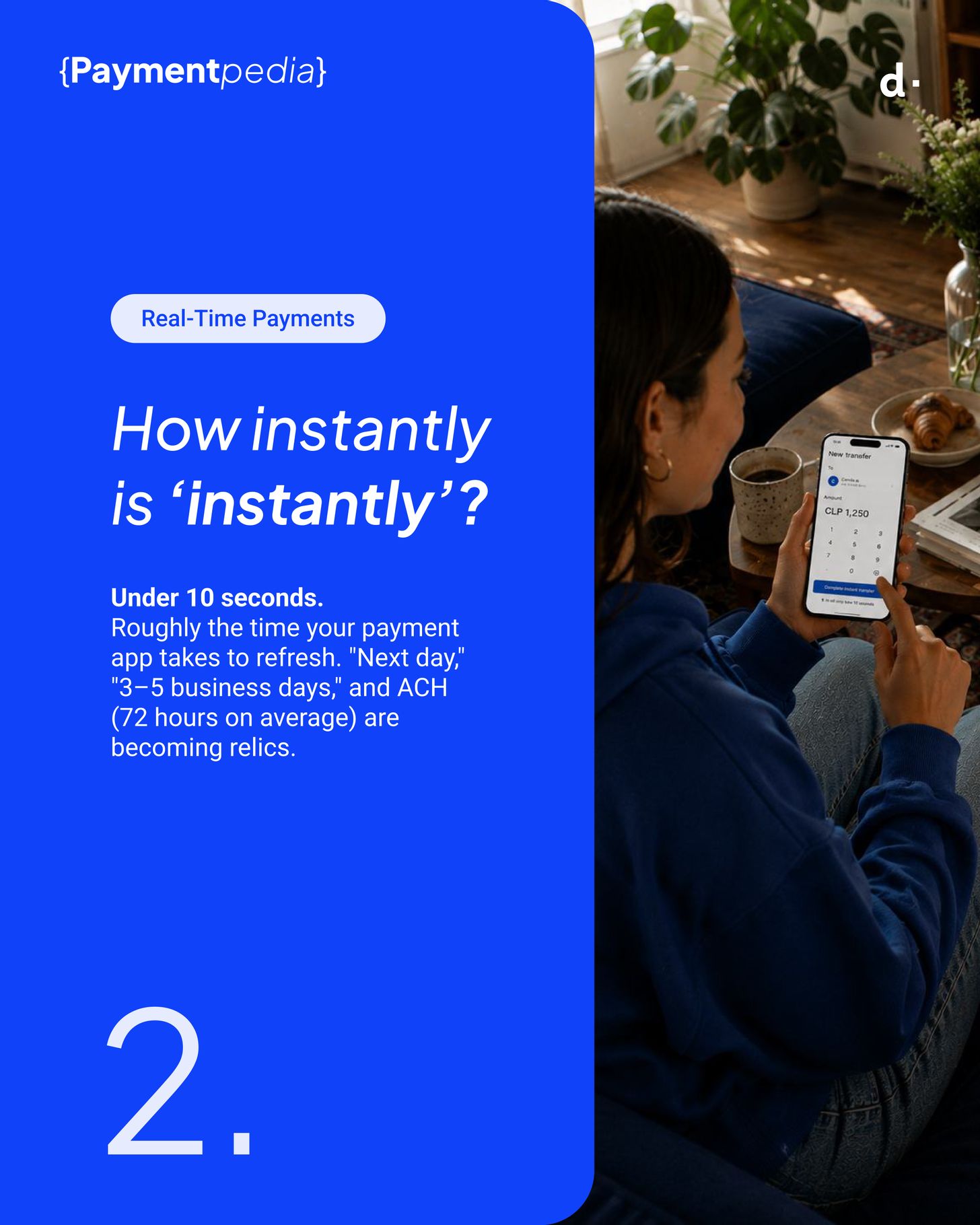
Total UPI volume reached 228.3 billion transactions in 2025, up from 172.2 billion in 2024, with a daily average of 698 million transactions.
The average transaction size has been falling steadily, signaling that UPI is increasingly being used for smaller, everyday purchases, from buying tea from a street vendor to groceries and online purchases.
Unlike other systems, UPI is not just for the tech-savvy urban middle class. UPI is for everyone.
Like Pix, the magic of UPI lies in its openness. Google Pay, PhonePe, and Paytm all compete on the same rails. No single company controls the pipe. The infrastructure is a public good; innovation happens on top of it.
UPI QR payments are already active in countries like Singapore, the UAE, Bhutan, France, and Sri Lanka, with India actively expanding the system globally through bilateral agreements and multilateral frameworks.
Access for millions
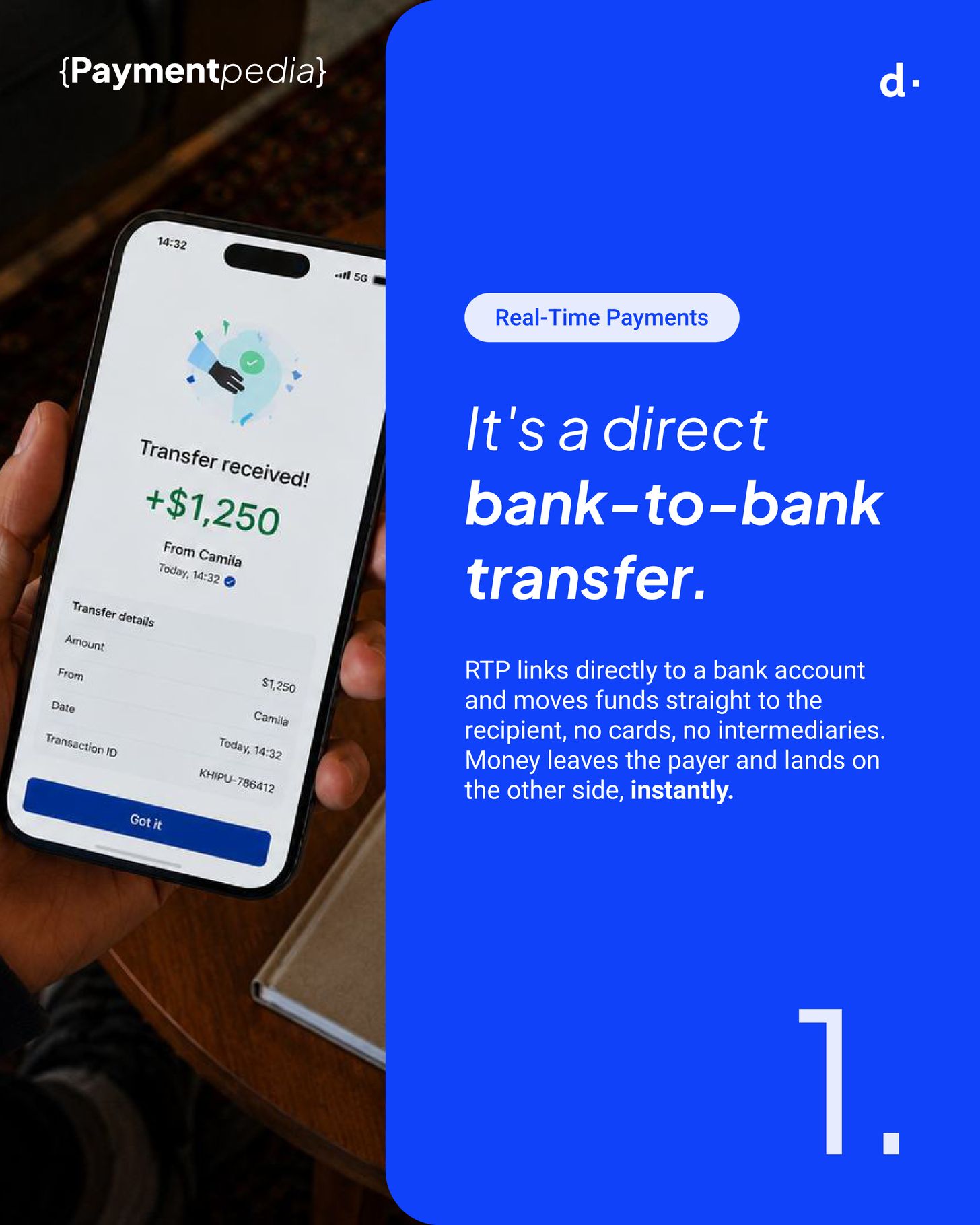
Real-time payment systems are more than a convenience story; they’re a story about market access for millions.
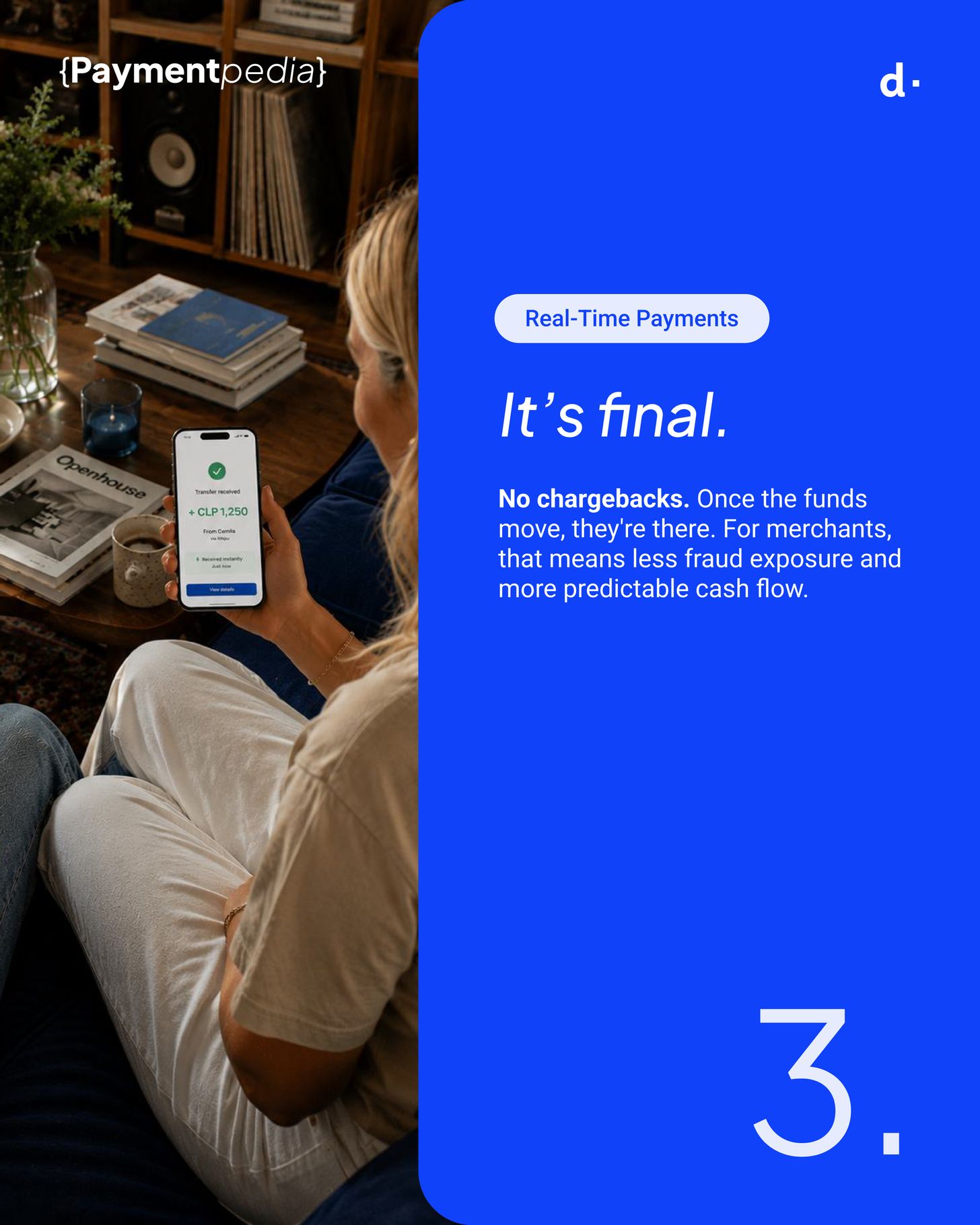
For global companies like Amazon, Netflix or Temu, integrating with Pix and UPI is a matter of survival. Pix Automático, launched in June 2025, targets the 60 million Brazilians without credit cards who previously couldn't subscribe to digital services, including streaming platforms, SaaS tools, and e-commerce subscriptions.
That is 60 million potential customers who were invisible to any business that only accepted cards. Any global merchant that ignores local payment rails is leaving an entire stadium of customers outside.
In India, the math is similarly unforgiving. UPI accounted for over 75% of payment transaction volumes in 2024. A global company that doesn't support UPI in India simply doesn’t exist for most Indian consumers.
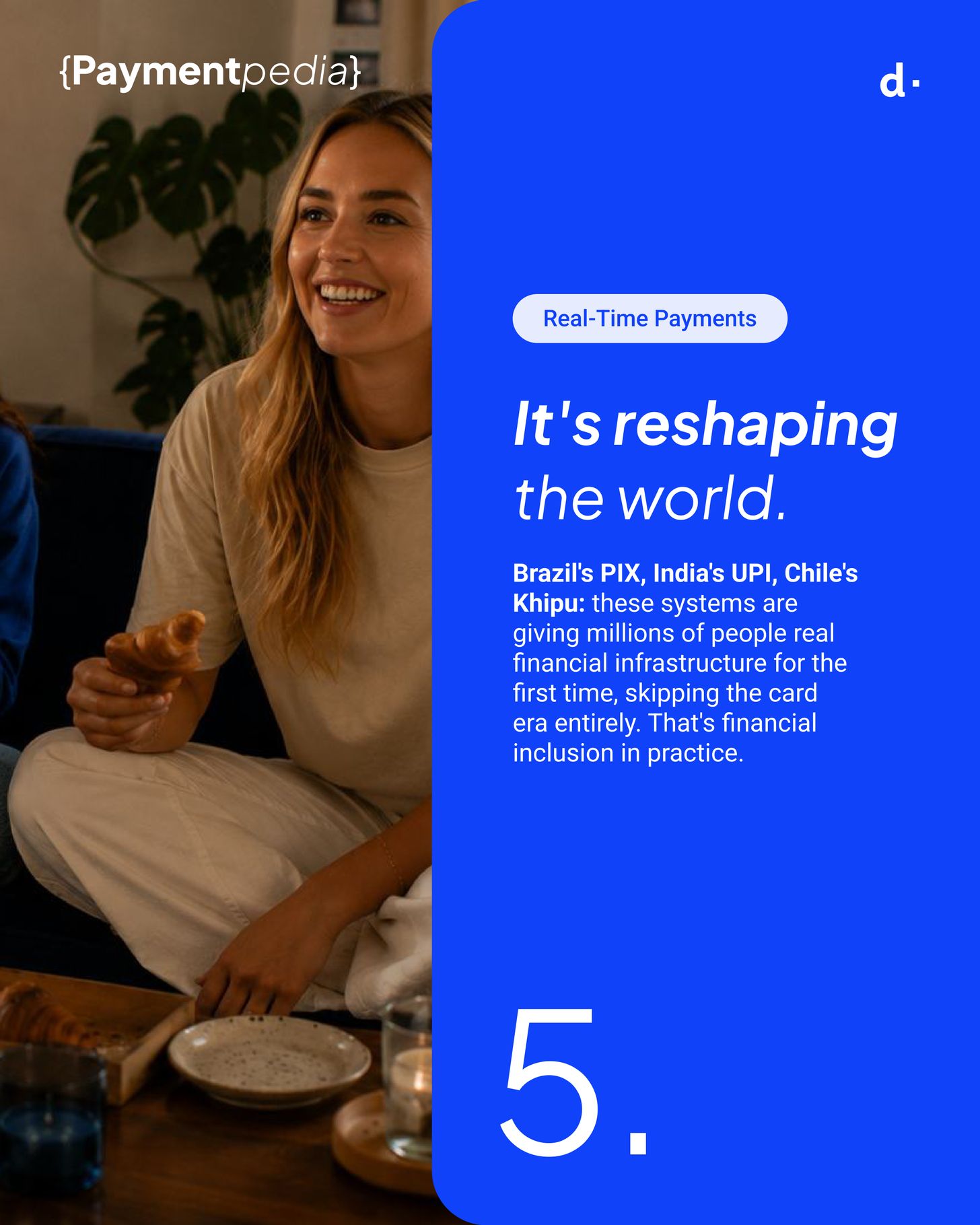
What sets Pix and UPI apart from previous payment innovations is the intent. Both were designed by regulators with financial inclusion as an explicit goal.
The result is that the formalized economy expanded significantly in both countries, pulling millions of previously unbanked citizens into a traceable, taxable, protected financial system. The informal economy doesn't disappear overnight, but it’s beginning to shrink.
Changing flows
Regulators from Egypt to Kenya to Colombia are drawing the same lesson: interoperability is the policy. Systems that allow any participant to join on equal terms grow faster, serve more people, and create more trust than any proprietary network ever could.
The old mental map of financial innovation, where ideas flow from West to East, from North to South, is outdated.
By 2027, over 70% of all global transactions are expected to be instant payments, driven largely by the momentum that Pix, UPI, and systems like Egypt's InstaPay and Colombia's Bre-B have already created.
The Global South is setting the pace, and the rest of the world is taking notes. Julia and Arjun may never meet, but 14,000 km apart, they're walking the same path. And this time, it's the West following.