

The Payers' Game
A payments guide for global businesses to win the World Cup moment in emerging markets.
The players will be ready on June 11.
This guide is for those backing the payers.

Setting the scene
1,056 players are heading to the World Cup this year.
Their names are on jerseys, their faces on billboards, their goals replayed across every screen on Earth.

For every player on that pitch there are millions of payers watching
From São Paulo to Lagos, Manila to Riyadh, and everywhere in between. Buying jerseys, booking flights, renewing subscriptions, ordering food to watch the game.
Three host nations, 104 matches, 48 competing countries. An audience reaching every corner of the planet — the majority in markets the global payment infrastructure was never quite built for.
- 48 Competing countries
- 1,056 Players heading to the World Cup
- 8B Payers worldwide
This tournament belongs to the markets of the future
The numbers make the case before a single ball is kicked.
Fans from dozens of emerging countries have already purchased thousands of tickets.
After the three host nations, some of the top ticket-buying countries are Brazil, Colombia, and Argentina.

These are populations for whom this tournament is not background entertainment.
It is a national identity moment, and a six-week spending occasion.

It is a national identity moment, and a six-week spending occasion.
"Payment volumes in some of the markets we cover are expected to surge in June and July, with merchants in some of these planning aggressive campaigns to capture the rise in demand."
The real opportunity isn't only the traveling fan. It's the far larger group watching from home across the Global South. And it depends entirely on reliable local payment infrastructure.




Markets to watch
Mexico Ground zero
 Mexico
 Mexico deserves its own conversation in this tournament, as a host nation, as a consumer market, and as a country where payment infrastructure is the deciding factor between a campaign that converts and one that doesn't.
Mexico City, Guadalajara, and Monterrey aren't just match venues. They're hosting the biggest consumer spending moment their local economies will see this decade. And most of that will happen on phones, on apps, on checkout pages, by consumers who pay nothing like the way some global platforms assume.
- US$ 3B Projected economic impact
- 5.5M+ International visitors expected
- 13 Matches hosted

OXXO. SPEI. Local debit. Installments. That's how Mexico pays. For global merchants already in the market, this is a conversion opportunity, but only if these local payment methods are live before kick-off. For those entering now, the tournament is a forcing function: the infrastructure you build will serve Mexican consumers for the next decade.
Mexico’s payments guideFrom the living room to the checkout page
The fans won't all be in the stadiums. Here's where they'll be watching from and what they need to pay.
-
 Argentina
Defending champions, with a fan base that doesn't watch quietly. eWallets now account for the majority of Argentine eCommerce —Mercado Pago leads unchallenged, MODO has 16M users. In a market forged by economic volatility, consumers move fast and pay local. The window to build infrastructure is short.
-
 Brazil
The most football-obsessed market on earth and one of the top ticket-buying countries in this tournament. Over 160M people use Pix — but the majority of Brazilian adults don't have a credit card. A platform that isn't live on Pix and local recurring rails before June 11 will miss the largest, loudest fan base in the world at its peak.
-
 Colombia
One of the top ticket-buying countries after the host nations, with a digitally connected fan base that pays predominantly through bank transfers. PSE handles 95% of bank transfers in eCommerce. Nequi has 18M users. And with Bre-B (Colombia's answer to Pix), local rails are changing. A checkout without them isn't reaching the market.
-
 Egypt
Egypt
One of many Arab nations at this tournament and a market of 105M people where Fawry processes 2.5M transactions daily, and cash-on-delivery still accounts for around 40% of eCommerce. Egyptian fans are passionate, mobile-first, and paying in ways most global platforms haven't prioritised yet.
-
 Morocco
The Atlas Lions reached the 2022 semi-final and galvanised an entire region. They're back this year, and so is that fan energy. Morocco sits at the intersection of the Arab world and Africa, with a payment mix still heavily weighted toward cash but with rapidly growing digital adoption. A market where being present early matters.
-
 Saudi Arabia
Saudi Arabia arrives as one of the region's highest-spending fan bases. Over 90% of domestic debit transactions run through Mada, and BNPL players like Tabby and Tamara have millions of users each. A market that is digitally sophisticated, high-spending, and paying in ways most global processors treat as secondary.
-
 South Africa
The opponent in the tournament's opening match: Mexico vs South Africa. That moment will be watched by millions. Cards lead at 64% of eCommerce, but PayShap, CapitecPay, and a growing BNPL scene with players like Payflex are quickly rewriting the rules.
-
 Uruguay
Our sponsored team and a market that punches above its weight digitally. Cards dominate at nearly 70% of digital commerce, but real-time bank transfers are growing fast, particularly for subscriptions and digital services. Small market, high readiness.
Businesses in the game
-
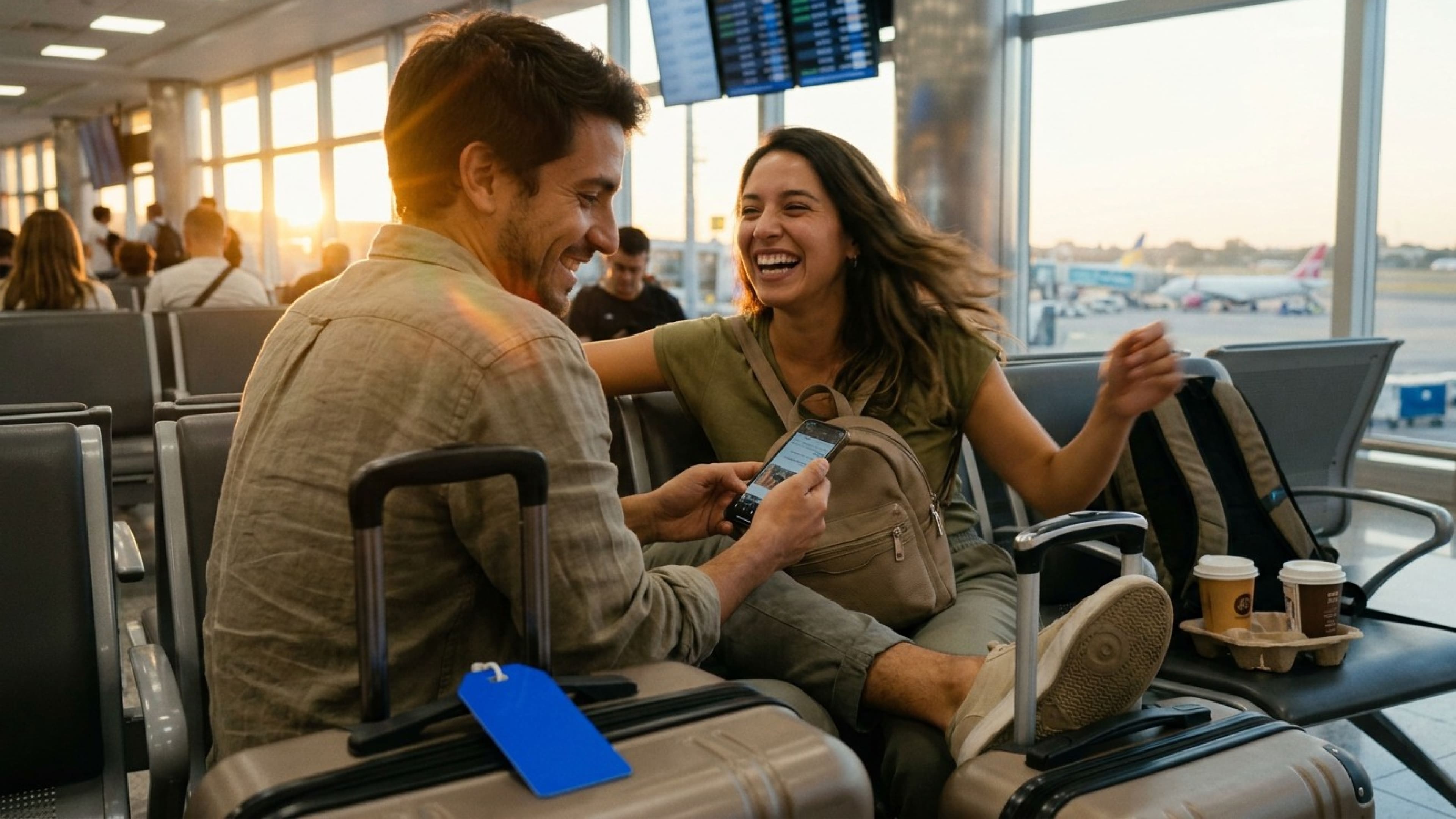
Travel
What travel companies need to do to get ready for the World Cup
For the payer making the trip
Once the tournament starts, travel demand surges instantly after every major result, pushing platforms to process bookings and pay suppliers quickly across countries and currencies. In LATAM, supporting installments and local payment methods like Pix, Yape, Nequi, and MODO is essential to avoid losing bookings during these high-demand moments.
https://d13wxjfb6x6swr.cloudfront.net/images/174_travel.jpg了解更多After the December draw, travel companies had a window to get ready. The next one comes faster: a result, an upset, a team advancing, and thousands of fans are on their phones within minutes, locking in flights and rooms.
But travel platforms aren't just collecting payments. They're paying out (hotels, ground operators, tour agents, transport suppliers) across countries, in local currency, fast. During a tournament surge, slow settlement and high FX costs hurt more than margins.
Cards aren't enough: Across LATAM, installments dominate online travel, and the demand lands on payment methods like Pix, Yape, Nequi, or MODO. A platform without them is losing bookings before the fan finishes searching.
-

Streaming
What streaming platforms need to do to get ready for the World Cup
For the payer watching from home
During the tournament, many new streaming subscribers will only pay through local methods like Pix, Nequi, MoMo, or Fawry, not international credit cards. Platforms that rely only on cards risk missing peak demand, while those supporting local payment rails can turn tournament-driven signups into long-term subscribers.
https://d13wxjfb6x6swr.cloudfront.net/images/188_streaming.jpg了解更多The subscriber you win during the tournament may never have paid for streaming before. They will for this moment, if your checkout lets them. They don't have an international credit card. They have Pix, Nequi, MoMo, or a Fawry code. Either your checkout takes it, or someone else's does.
A platform that only accepts international cards is built to miss the majority at exactly the moment demand peaks. In Brazil, Pix dominates digital goods. In Mexico, OXXO drives younger subscribers. In Nigeria, local bank transfers are essential. A subscriber acquired during the World Cup, billed on local recurring rails, becomes a long-term customer.
Most Brazilians don't own a credit card, but almost all have a Pix-enabled account
-

Retail
What retail and ecommerce businesses need to do to get ready for the World Cup
For the payer wearing the colors
Football purchase decisions happen instantly, with jersey sales surging before and after matches as millions buy from their phones in local currency. Brands that convert this demand are the ones with the right payment infrastructure, since low conversion rates in markets like Brazil or Nigeria often reflect missing local payment methods and poor approval rates rather than lack of interest.
https://d13wxjfb6x6swr.cloudfront.net/images/169_retail.jpg了解更多The purchase impulse in football doesn't wait. Jersey sales spike before kick-off and again at the final whistle, not from stadium crowds, but millions on their phones, buying in local currency. The brands that capture those moments have the infrastructure ready. Six weeks, 104 matches, dozens of markets, all at once.
What your analytics might be hiding: Traffic data shows demand. Conversion data often doesn't show the failure, it just shows absence. If your product pages in Brazil and Nigeria are getting visits but not converting, the first place to look is payment method coverage and approval rates. -
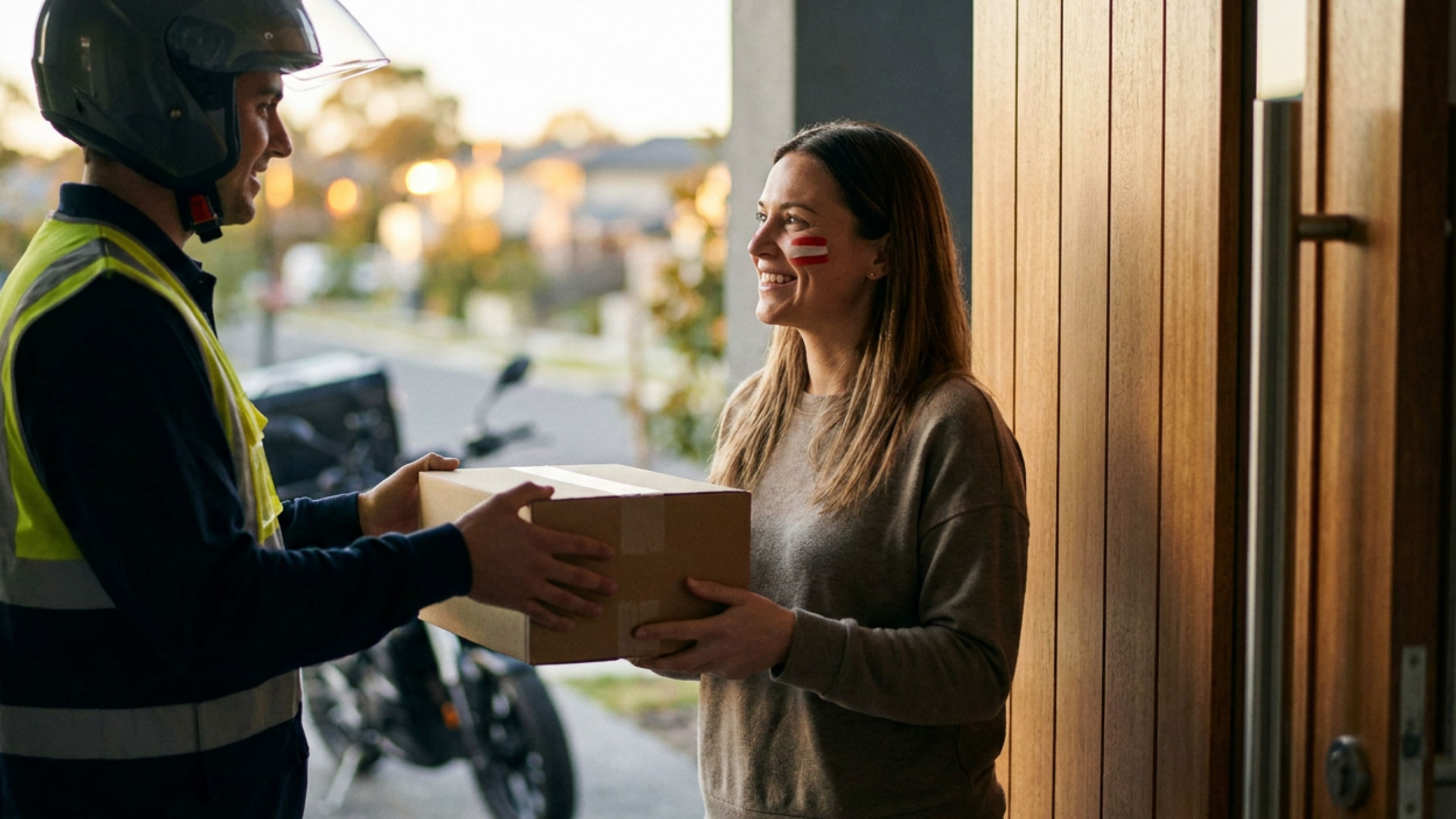
Food delivery & ride-hailing
What food delivery and ride-hailing platforms need to do to get ready for the World Cup
For the payer feeding the watch party
During major matches, food delivery and ride-hailing platforms face simultaneous spikes in customer orders and partner payouts across multiple markets. To keep drivers and restaurants operating at peak demand, platforms must enable fast local-currency payments through local rails, since delays in real-time disbursements can quickly hurt partner retention.
https://d13wxjfb6x6swr.cloudfront.net/images/107_delivery.jpg了解更多Picture living rooms full of fans who aren't traveling but are ordering in across Buenos Aires, Casablanca, and Johannesburg. The demand is local, the timing is simultaneous, and the pressure hits every platform at the same second.
Both sides of the pitch: Food delivery and ride-hailing face this event on both sides. A surge in consumer payments in, and a surge in driver and restaurant partner payouts out, simultaneously. Drivers and restaurant partners operating at surge capacity need to be paid in local currency, via local rails, without delay. A platform that can't guarantee real-time disbursements during a match-day surge will have a partner retention problem. -

Gaming
What gaming platforms need to do to get ready for the World Cup
For the payer playing the game during the game
In gaming, monetization opportunities during live matches are instant and short-lived, as players want to make purchases the moment excitement peaks. In emerging markets, most users rely on local payment methods like Pix, GCash, GoPay, mobile money, or prepaid vouchers, making local payment support essential for converting players into paying customers.
https://d13wxjfb6x6swr.cloudfront.net/images/gaming.jpg了解更多The monetization window opens with a goal and closes before the replay ends. A player who just watched their team score wants to upgrade their squad, enter the prediction bracket, buy the tournament pack right now. If the payment method isn't there, the moment isn't coming back.
The unbanked majority: Most mobile gamers in emerging markets pay with local eWallets, real-time rails, prepaid vouchers, or mobile money. That means supporting the methods players already have on their phones: Pix in Brazil, GCash in the Philippines, and GoPay in Indonesia is key. A card-only checkout is a free-to-play monetization strategy in disguise.
How to prepare your stack for the surge
The World Cup has a predictable demand curve and an unpredictable trigger. You can't control match results, but you can control your stack. A fraud rule too aggressive, a payment method not live, an approval rate that dips — during a quarter-final, they all hit at once. No patching it mid-match. The teams that hold up are the ones that go local before kick-off.
- 01 Model the demand before it arrives
- Know which fixtures drive spikes in your markets.
- Run load tests before kick-off, not on match days.
- Share volume forecasts with your PSP so routing is calibrated to your pattern.
- 02 Build redundancy, not just coverage
- Use local acquiring in-market to protect approval rates at peak.
- Enable retry logic. Soft declines are recoverable sales.
- Pre-agree intervention thresholds to act fast if a method degrades mid-match.
- 03 Tune fraud rules for good spikes
- Localize risk rules: a Brazil surge during a match is probably not fraud, but generic systems flag it anyway.
- Get network tokens and Smart 3DS live before the tournament starts.
- 04 Optimise checkout for the moment
- One-click, stored credentials, mobile-first — half-time is 15 minutes.
- Local currency, language, and payment methods for first-time buyers.
The Payers' Game
Billions of fans. Most watching from home,
in the markets where the game actually lives.
Build for the game.
Keep what it builds.
The payers are ready. Is your checkout?
Don't get caught offside

Proud sponsor of World Champions
Because the markets where football matters most are the same markets where local payment infrastructure matters most.
Check out our sponsorship