

PakistanA new generation rewrites the checkout
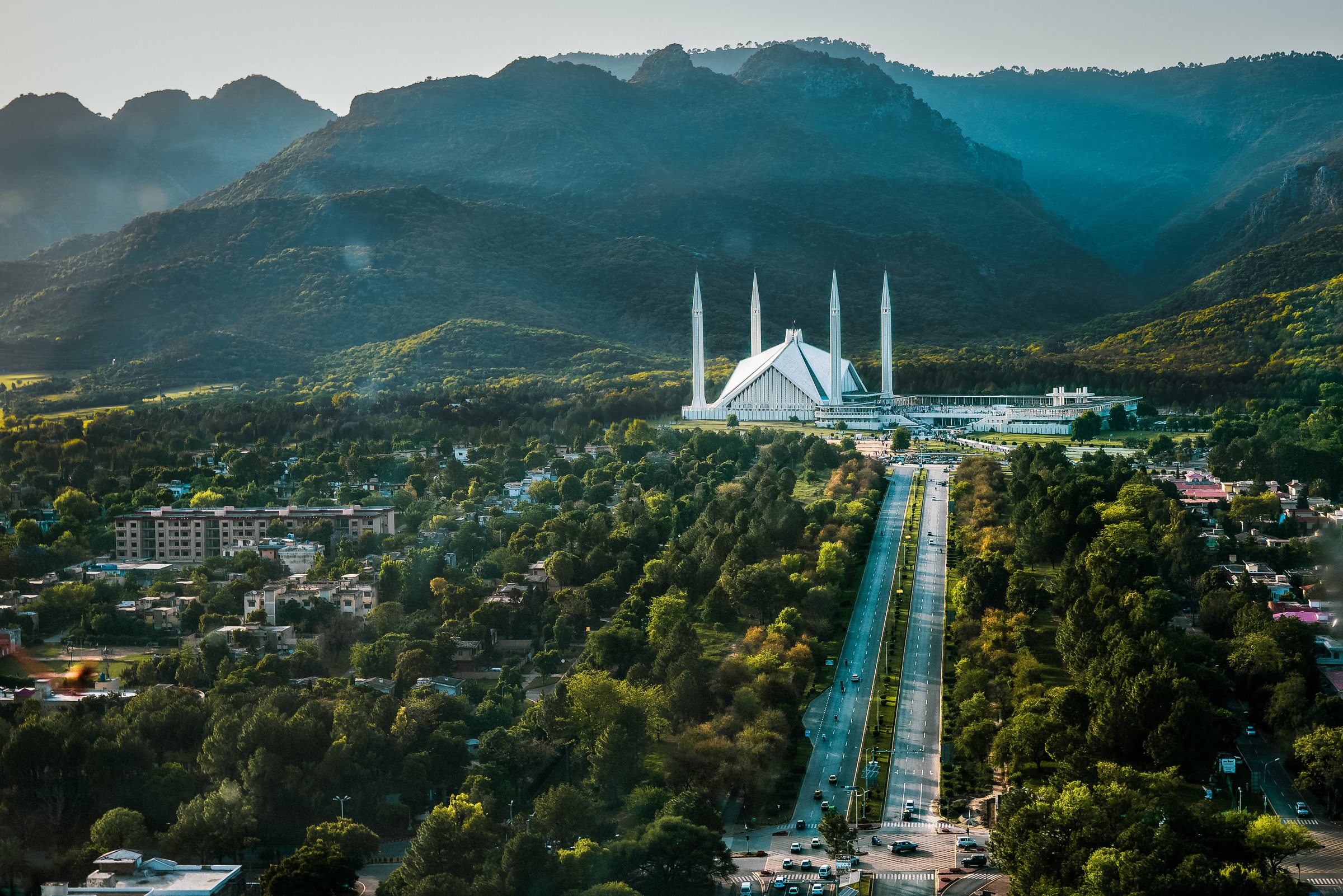
Pakistan is the world’s fifth most populous country, and one of its youngest. With much of that population still outside traditional banking, eWallets have found a natural place in how people manage and move their money. The economy is finding its feet again, while remittances continue to bring billions into households across the country. It’s a market with a lot in motion and a new generation of consumers coming with it.
The way locals pay

Local payment methods to know


 Card
Online payments mix eCommerce 2026 projections
A wallet for money coming and going
These unbanked and underbanked customers have created natural space for eWallets, which are ideally suited to their needs. Some eWallets make getting started as simple as having a national ID card and a phone number, without the need to visit a bank branch or maintain a minimum balance. They can also give users a way to move cash in and out through local agents and shops. Today, for millions of Pakistanis, an eWallet is how they pay bills, top up airtime and send money to family.
And in Pakistan, money sent between families very often means crossing borders. Overseas Pakistanis sent home a record US$ 40.5 billion in 2025,1 equivalent to around 10% of the country’s GDP, making remittances an important part of everyday finances for families across the country. Increasingly, that money can land directly in an eWallet rather than being collected as cash over the counter.
That everyday role shows up online too: eWallets take 55% of eCommerce spending, a share we expect to reach 58% by 2028. Most of that volume sits with two names: JazzCash, with over 60 million registered users2, and Easypaisa3, with 55 million users.
- eWallet
- Cards
- Other rails
eWallets dominate streaming and gaming, lead in SaaS, and run neck-and-neck with cards in ride-hailing.

Proof in the numbers: wallets on the road
Ride-hailing drivers transact more than 10 times a day on average. In Pakistan, where access to traditional banking remains limited, that makes familiar local payment options particularly important.

Through dLocal, inDrive drivers can top up their in-app wallets instantly with JazzCash and Easypaisa, giving them a payment route they already know and use.

Cash still arrives at the door
For all the new ways to pay, Pakistanis haven’t left cash behind. It remains a familiar part of everyday life, and that preference carries into online shopping too. In retail, almost 80% of eCommerce payments are still made in cash on delivery: the shopping happens online, but the payment happens at the doorstep.
PayPak: Pakistan’s home-grown card
Cards take about a quarter of digital eCommerce spending, and most of it is through debit. Pakistan’s own card scheme, PayPak, launched in 2016, now has more than 16 million cards in circulation, over a quarter of Pakistan’s debit card market4, helped by its growing use for government payments. Co-badged versions work abroad too, and a PayPak credit card is due later this year.
For merchants, how a card is processed matters as much as which card it is. When payments are processed internationally, fees and taxes can add 15–20% to the price the shopper pays, which makes local card processing essential.

Raast: from transfers to checkout
The State Bank of Pakistan’s instant payment rail, Raast, launched in 2021 and has quickly become part of daily life. In the first three months of 2026 alone, it processed 742 million transactions5 worth PKR 23.3 trillion (US$ 84 billion). Most are still person-to-person, but merchant payments jumped 54% in a single quarter to 56 million. Raast already makes up over a third of A2A eCommerce payments, a category we expect to keep growing through 2028.
People often ask me what the typical Pakistani shopper looks like, and the honest answer is that there isn’t one. The same student who pays for a streaming plan with JazzCash might use a local card to buy a pair of shoes, and both choices make complete sense to her. What’s changed is how easily people now move between payment methods depending on the moment. That’s the opportunity for merchants, I think. Pakistan is a young country working out how it wants to pay online, and it rewards the businesses that keep up.