

Mobile money
From sending money
to running economies
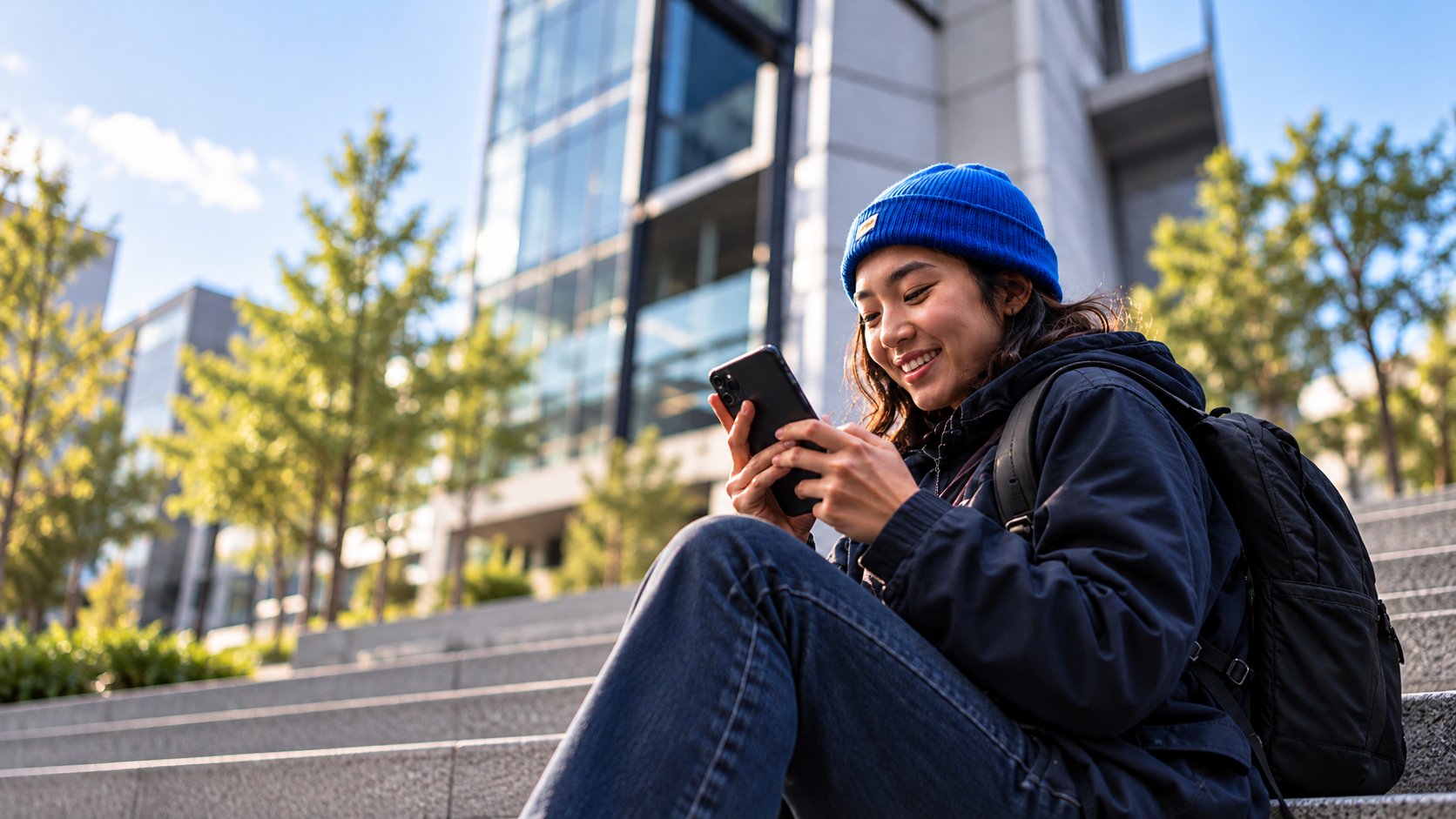
Mobile money started with a simple proposition: send and receive money using a phone number, without needing a bank account or internet connection. Today, that same infrastructure supports much more. People use it to pay bills, receive remittances, buy goods, access credit and, more and more, pay for digital services.
Reaching people beyond the banking system
Unlike many digital wallets, mobile money can work on a basic phone, often through SMS, and never requires a bank account. That makes it very relevant in rural and low-connectivity regions, where traditional financial infrastructure has struggled to reach everyone.
Africa remains at the centre of this story. Mobile network operators and their extensive agent networks have brought payment services far beyond the reach of traditional bank branches.
According to GSMA, mobile money transactions surpassed US$ 2 trillion in 2025. That milestone took the industry two decades to reach for the first time, but just four more years to double. Registered accounts reached 2.3 billion worldwide that same year, adding 268 million in a single year.
One account, many jobs
What began as a way to move money is becoming a way to manage it. In markets such as Kenya, Ghana, Tanzania and Uganda, services including M-Pesa, MTN Mobile Money and Airtel Money now sit at the centre of everyday financial activity. Customers can receive wages or remittances, pay school fees and utility bills, send money to family, or pay a digital merchant. For some, mobile money is also the gateway to savings, insurance and small loans.
The change is visible in the services providers are adding. Savings and insurance were the fastest-growing mobile money segments in 2025. Credit is also becoming standard, with 80% of providers offering nano-loans.
Kenya’s M-PESA: A lot more than sending money
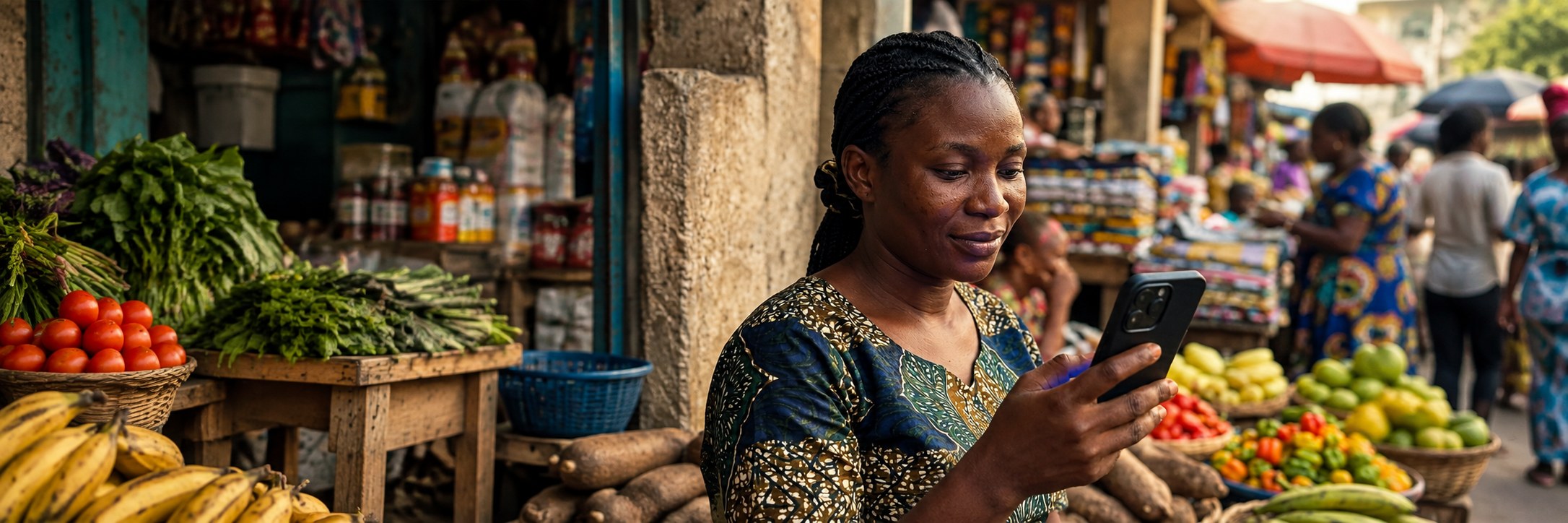
For a sense of how far mobile money has come, we can look at M-PESA in Kenya.
M-PESA processed 46.4 billion transactions in Kenya last year1, equivalent to more than US$ 300 billion. Its infrastructure can now handle around 10,000 transactions per second. What started as a way to send money between phones has become part of how people pay, transfer and manage money every day.
M-PESA and Airtel Money together handle nearly half of online transactions. Mobile money accounts for 83% of gaming transactions and 80% of streaming transactions, while only 6.5% of Kenyans have a credit card.
A customer may have a mobile phone, use streaming services every day and be highly active online, while still not having a card to use at checkout. Mobile money provides the payment route that connects customers to a global service.
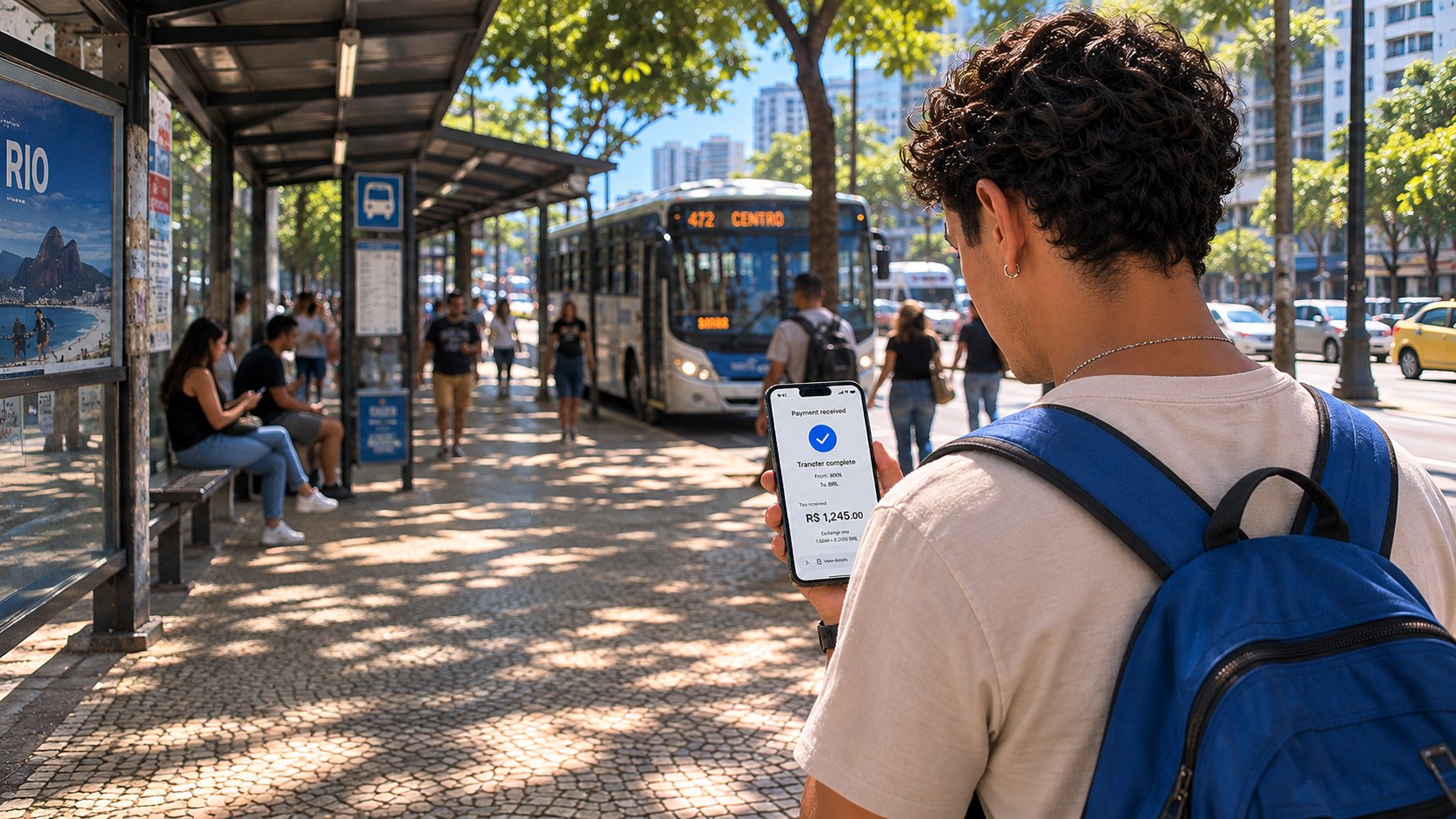
When we think about services, like music or video streaming, for example, the question isn’t whether people in these markets want to use it, because they already do. The question is how they pay for it. If mobile money is how someone receives money, pays their bills, sends money home and buys things every day, it makes sense that they would use that same account to pay for their music.