

Cash-based
payments
Refusing to stay offline
Around 1.3 billion adults worldwide still don’t have a financial account, but that doesn’t mean they aren’t online, or that they don’t want to buy online.
A student in Egypt who wants to subscribe to an online learning platform. A gamer in Mexico who wants a digital top-up. They can both make it to checkout, but if they don’t have a card or bank account, that’s often where the journey ends. Cash, what they may know and prefer, can give them another route.
Cash, but digital
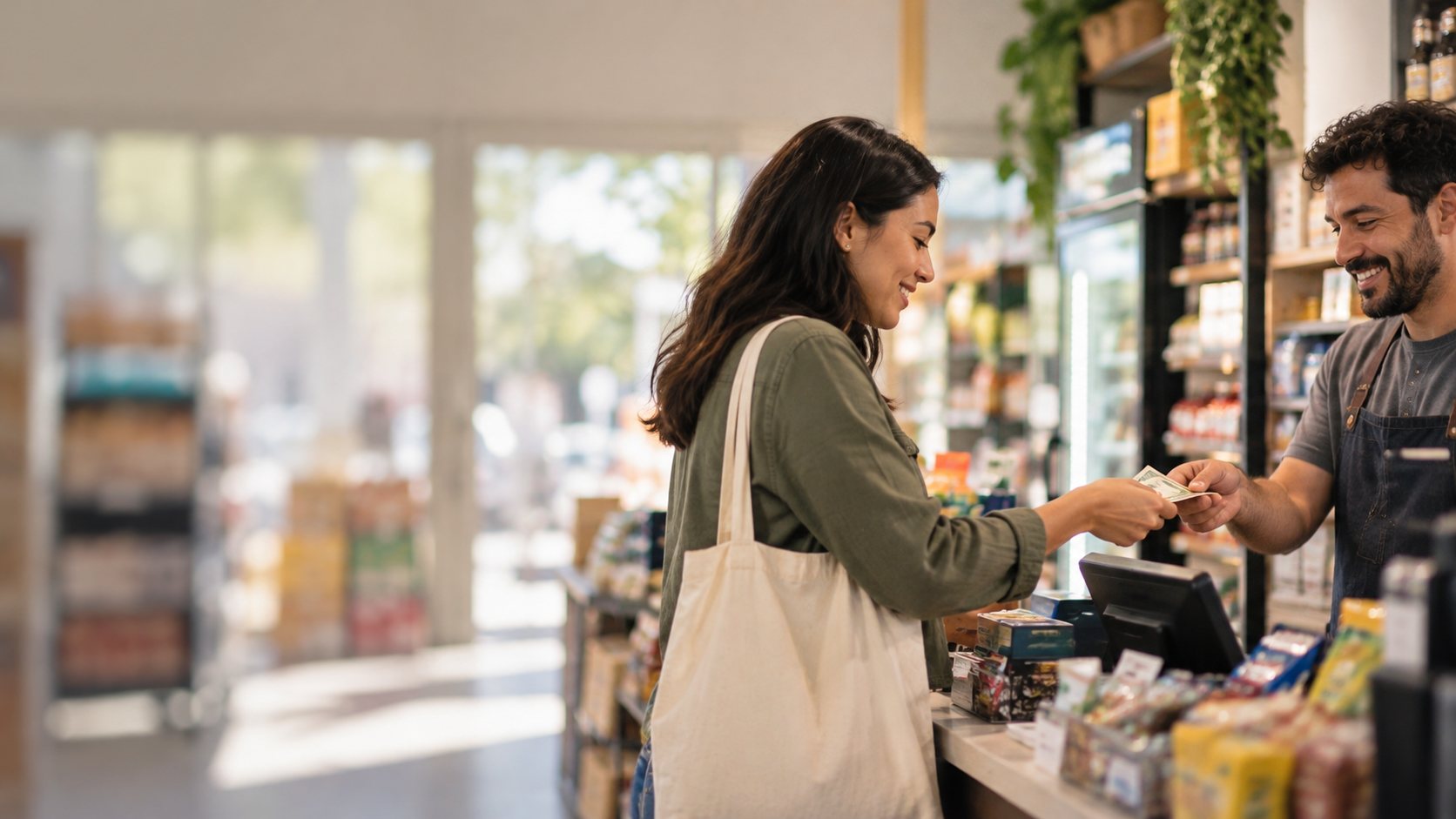
The customer chooses a cash-based payment method online, gets a voucher or payment reference, and pays at a local store or agent. Once the payment is confirmed, the digital product or service is released. The purchase stays digital, cash simply makes a short trip through the physical world.
For merchants, that can mean reaching demand that would otherwise be left behind. In 2026, cash is expected to account for 31% of eCommerce payments in Kenya, 13% in the Philippines and 11% in Saudi Arabia.
Sometimes the customer is ready to buy, but their money just isn’t digital yet.
How can cash become digital?
- 01
The customer selects a cash-based method at checkout.
- 02
A voucher, barcode, or reference number is generated.
- 03
The customer pays at an authorised store, bank, or agent.
- 04
The payment network confirms the transaction instantly.
- 05
The merchant activates the purchase or service.
The important work happens behind the scenes. Merchants need clear rules for voucher expiry, payment confirmation, failed payments, refunds, reconciliation, and settlement. Cash methods may also have different refund mechanics from cards, so operational fit matters as much as customer reach.
Different markets, different networks
The model takes different forms across emerging markets. In Colombia, Efecty allows consumers to pay for online purchases in cash through physical networks. In Peru, PagoEfectivo generates a code that can be paid at banks, convenience stores, and eWallet or authorized agents. In Brazil, Boleto Bancário uses a barcode or payment code that customers can pay in cash or through home banking.
Egypt’s Fawry and Morocco’s Wafacash show the importance of coverage and trusted local infrastructure. In both markets, cash-based networks connect digital businesses with customers who may not use cards or wallets regularly.
And in some markets, mobile money takes the idea one step further. People can deposit cash with a local agent, turn it into a digital balance, and use that balance to pay online.



OXXO: bringing cash into subscriptions
For Mexicans, OXXO is pretty much a way of life. It’s the corner shop where people pick up a few essentials, pay a bill, top up their phone or make a digital payment.


For one of our subscription merchants, we made OXXO part of a recurring payment journey, giving customers a familiar cash-based way to keep paying for their digital service.