

eWallets
One app, or five
A digital wallet can mean very different things depending on where we are. In some markets, one eWallet can sit at the center of daily spending, but in others, consumers move between several depending on what they’re buying, where they’re buying it, or which app they already use.
More of the checkout belongs to eWallets
In markets like Vietnam and Pakistan, wallets are often the checkout, accounting for more than half of eCommerce volume in both markets. We expect that share to grow further by 2028, while Argentina, Indonesia, the Philippines, Thailand and Peru are also seeing wallets take a bigger role in online spending.
- 2025
- 2028
eWallet share of online commerce volume. Comparison 2025 vs 2028.
Source: PCMI
Asia’s crowded field
In Southeast Asia, digital wallets are often tied to the ecosystems around them. The wallet someone uses can depend on where they shop, which SuperApp they live in, or which platform happens to have the right offer at the right time. That makes wallet adoption less about one dominant player and more about a handful of apps competing for regular transactions.
Vietnam shows this pretty clearly. MoMo accounts for a third of wallet volume, followed by Zalopay and ShopeePay very close behind. Indonesia has a similarly spread-out market, with OVO, DANA and GoPay, each holding a meaningful share. Thailand is more concentrated, with TrueMoney Wallet clearly leading, and Rabbit LINE Pay following behind.

For a merchant, that changes what “wallet acceptance” means. Being connected to one popular wallet can cover a slice of the market, but not necessarily the customer standing at the checkout. In these markets, reaching wallet users at scale can mean connecting to several providers, each with its own integration, onboarding, settlement, and reconciliation setup.
MoMo: from eWallet to SuperApp
MoMo is one example of a broader SuperApp model: bring more of the things people already do into one place, so the app becomes part of several routines rather than serving a single purpose. SuperApps create an ecosystem where customers shop, book, order, send money and manage their finances.
- 2010Top up and transfer
Payments and transfers started on feature phones.
- 2014Move to the smartphone
MoMo brought its eWallet onto Android and iOS, opening the door to much more than transfers.
- 2017Connect your bank
Bank accounts and cards could be linked directly to MoMo.
- 2020–21Become a Super App
Payments expanded into a much broader ecosystem of everyday and financial services.
- 2022Bring more services inside
Mini Apps brought shopping, food, travel and other services directly into MoMo.
- 2026Pay abroad and manage subscriptions
Users can pay by QR in 60+ countries and manage recurring services from MoMo.
Not every market needs five
But even within Southeast Asia, the picture isn’t the same everywhere. The Philippines is a striking example. GCash alone accounts for almost 90% of wallet volume, making it far more concentrated than Vietnam or Indonesia.
Pakistan sits somewhere different again. JazzCash and Easypaisa together still account for 81%, leaving a much smaller field for other wallets.
So there is no single “Asian wallet market.” In some countries, consumers genuinely move between several wallets. In others, one or two local players have already become part of how people pay day to day.

When one wallet does most of the work
Latin America shows the other end of the spectrum. In Peru, Yape is the wallet people reach for across everyday payments, carrying 70% of wallet volume. And wallets’ role in eCommerce is still growing, with projections to move from around a quarter to nearly a third of volume by 2028, while the value of those transactions is set to nearly double, from US$ 5.4 to US$ 9.9 billion.
Three months. That’s how long it took Yape to beat cards at checkout
One of our merchant’s rollouts in Peru drove 25%+ TPV growth and a 30% cost reduction, proof that in wallet-first markets, acceptance is a growth lever.
The same pattern appears elsewhere in the region. In Colombia, Nequi has become a familiar part of everyday digital payments, while in Argentina, Mercado Pago accounts for 70% of wallet volume.
When one wallet is already where you keep your money, pay bills, send cash and shop, there’s little reason to reach for another app at checkout. For merchants, that concentration can make the market much more straightforward: supporting the leading local wallet can put a large share of wallet users within reach.


Industries where wallets show up most
It’s also worth looking at what people are using wallets to buy.
Gaming and streaming are where they show up most clearly. In Indonesia, wallets account for 76% of gaming volume, while in Vietnam they make up 72% of streaming volume. These are purchases that often happen inside an app and can become part of a regular habit, so the wallet fits naturally into the experience.
Retail tells us something different. It is the biggest opportunity in dollar terms, but wallets still represent a smaller share of purchases. And this is an important distinction for merchants: where and how a purchase happens can be just as important as which wallet is popular in a market. A gaming platform, a streaming service and a retailer may all need a very different wallet mix.
| Gaming | Streaming | Ride-hailing | Retail | Travel | SaaS | |
|---|---|---|---|---|---|---|
| Argentina | 17% | 9% | 3% | 44% | 28% | 24% |
| Indonesia | 76% | 51% | 44% | 40% | 28% | – |
| Pakistan | 58% | 59% | 36% | 13% | 37% | 45% |
| Peru | 53% | 20% | 52% | 25% | – | 32% |
| Philippines | 70% | 50% | 50% | 36% | 30% | 10% |
| Thailand | 44% | 31% | 44% | 26% | 19% | 5% |
| Vietnam | 59% | 72% | 25% | 22% | 46% | – |
Gaming stands out: wallets take more than half of payments in four of the seven markets.
Source: PCMI
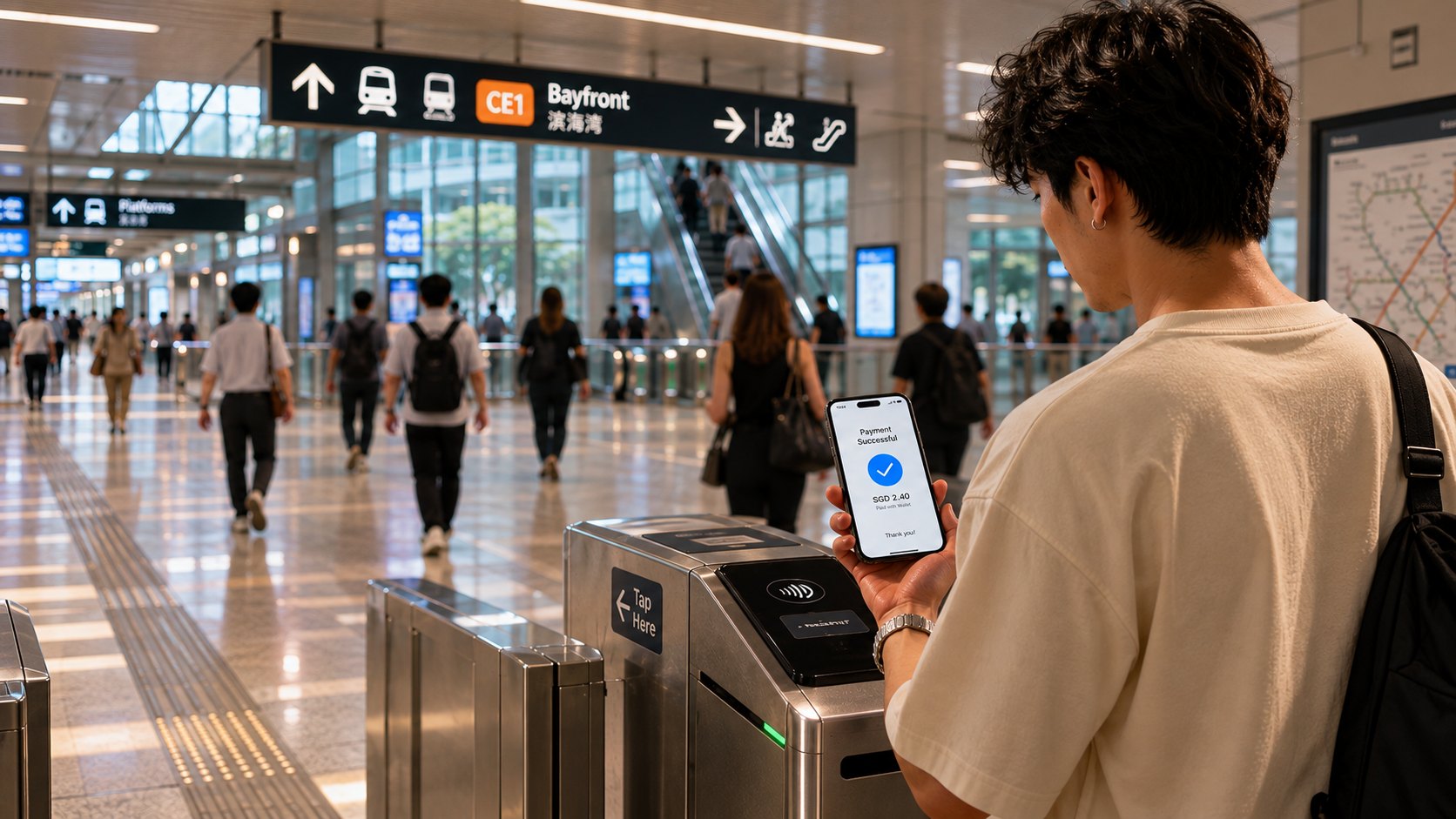
When you look at eWallets market by market, the striking thing is how different customer behavior can be. In some countries, people have one wallet they use for almost everything, and then in others, they move between several. For a global business, understanding which one you’re dealing with is just as important as knowing that wallets are popular in the first place.