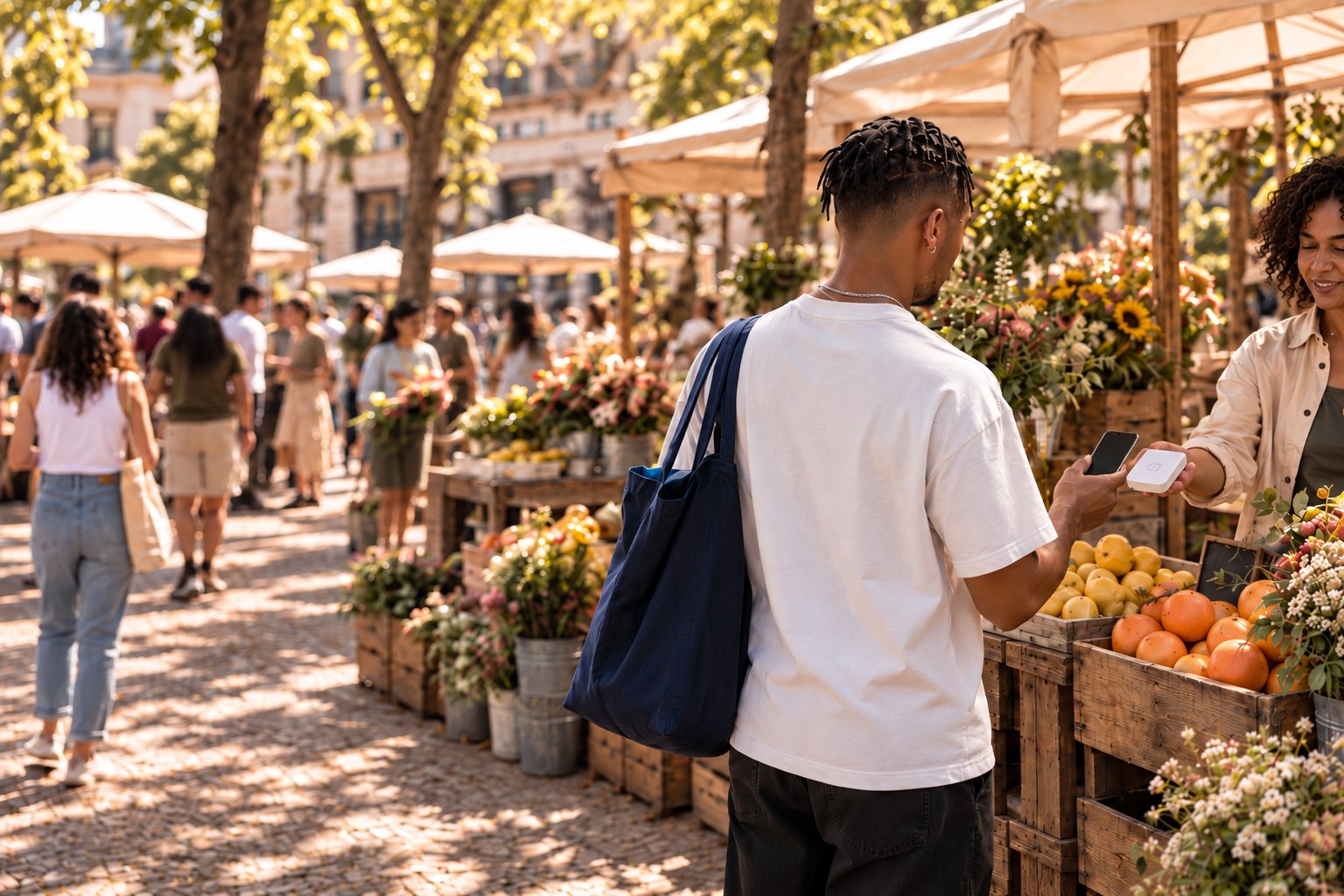

People have their own ways of paying for everyday things across the markets of the future. For millions, that might mean an eWallet, A2A payments, BNPL, mobile money or even paying cash for something they bought online.
The payment mix might look different for businesses used to card-heavy markets, but these are just the ways people pay. Over the next three years, alternative payment methods (APMs) are expected to represent around 59% of global eCommerce payments across the biggest emerging markets.
APMs should account for almost six in ten eCommerce payments across the main emerging markets
Source: PCMI & dLocal’s internal estimations. Markets analyzed include: Argentina, Brazil, Chile, Colombia, Egypt, India, Indonesia, Kenya, Mexico, Nigeria, Pakistan, Peru, the Philippines, Saudi Arabia, South Africa, Thailand, Türkiye & Vietnam
The mix changes as you travel
The role alternative payment methods play can look very different from one region to the next. And even within these regions, no two markets look quite the same. Later in the journey, we’ll visit markets across each one to see what people are reaching for at checkout.

Well over half of transactions are made via APMs
Almost one in three transactions happen through APMs
More than three in four transactions go through APMs
Half of digital commerce transactions use APMs
Source: 2026 data from PCMI & dLocal’s internal estimations. Markets include: Argentina, Brazil, Chile, Colombia, Egypt, India, Indonesia, Kenya, Mexico, Nigeria, Pakistan, Peru, the Philippines, Saudi Arabia, South Africa, Thailand, Türkiye & Vietnam
Source: 2026 data from PCMI & dLocal’s internal estimations. Markets include: Argentina, Brazil, Chile, Colombia, Egypt, India, Indonesia, Kenya, Mexico, Nigeria, Pakistan, Peru, the Philippines, Saudi Arabia, South Africa, Thailand, Türkiye & Vietnam
Source: 2026 data from PCMI & dLocal’s internal estimations. Markets include: Argentina, Brazil, Chile, Colombia, Egypt, India, Indonesia, Kenya, Mexico, Nigeria, Pakistan, Peru, the Philippines, Saudi Arabia, South Africa, Thailand, Türkiye & Vietnam
Source: 2026 data from PCMI & dLocal’s internal estimations. Markets include: Argentina, Brazil, Chile, Colombia, Egypt, India, Indonesia, Kenya, Mexico, Nigeria, Pakistan, Peru, the Philippines, Saudi Arabia, South Africa, Thailand, Türkiye & Vietnam
Tokenized APMs: Made to pay again and again
APMs weren’t built like cards. Some use a key, others run through their own account rails. And for a long time, that made them less suited to the “charge me again next month” kind of payment. But that’s changing. Tokenization is making them reusable, so consumers can come back, subscribe, renew and purchase again.
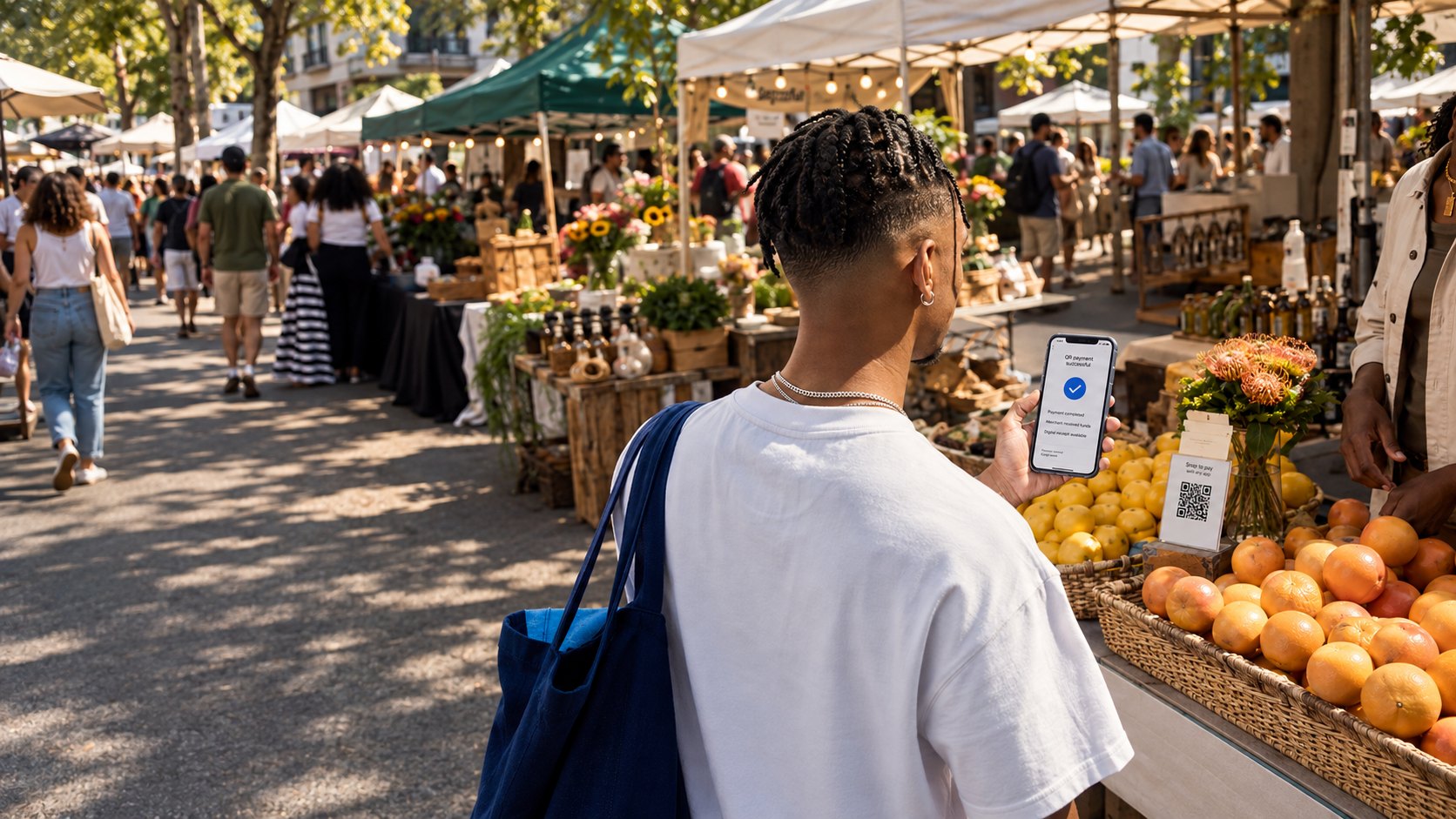
For years, cards set the expectation that you could pay once and then keep coming back without starting the payment journey from scratch. We’re now seeing alternative payment methods reach that same point, and that changes the kinds of customer journeys brands can build around them.
Tokenization turns a customer’s local payment credential into a secure token that a merchant can store and reuse for future payments. That opens the door to subscriptions, repeat purchases and recurring bills, so APMs can stay with the customer beyond the first payment.
As these alternative methods become more essential to online commerce, reuse is the natural next step. Pix Automático in Brazil is a great example of what that looks like in practice, and how regulators are helping make recurring payments possible too.
Africa
APMs are being stored as reusable, on-file credentials
 Nigeria


 South Africa

 Tanzania



Asia
APMs are being stored as reusable, on-file credentials
 Bangladesh

 India

 Indonesia





 Japan

 Malaysia


 Pakistan


 Philippines



 Thailand

 Vietnam



Latin America
APMs are being stored as reusable, on-file credentials
 Argentina

 BoliviaQR BCB Bolivia
 Brazil



 Chile
 Colombia

 Mexico

 Peru