Get ready for the rush: A peak season guide for payment teams

Peak season is when the payment setup gets properly tested. Volumes climb, traffic spikes and the pressure can land very differently depending on the market and payment method.
After the World Cup rush earlier this year, the next big test is already around the corner: the year-end shopping season.
The dates, of course, are no surprise. Campaigns are planned, forecasts are in and teams know the traffic is coming. What’s much harder to anticipate is where the biggest spikes will come from, how customers will actually choose to pay and, ultimately, how payment performance will hold up when volumes start climbing.
If last year’s BFCM results are anything to go by, things can get busy fast. TPV jumped 88% year on year across our network, alongside a strong rise in alternative payment methods. In Brazil, Pix volumes more than doubled, while installments accounted for almost six in ten retail transactions.
But BFCM is only one part of the peak-season calendar. Across the markets of the future, the biggest shopping moments happen at different times. Here are a few dates worth having on the radar.
| Event | Market | 2026 Dates | What to know |
|---|---|---|---|
| Singles’ Day | Asia / participating markets | Nov 11 | A huge online shopping day, particularly across Asia |
| El Buen Fin | Mexico | Nov 13–17 | Several days of major promotions across online and physical retail |
| Black November | Brazil | November | Black Friday promotions increasingly stretch across the month |
| White Friday | Middle East | Late November | The region’s take on the Black Friday shopping period |
| Black Friday + Cyber Monday | Global / participating markets | Nov 27–30 | Four days of some of the year’s heaviest shopping activity |
| 12.12 | Southeast Asia | Dec 12 | One of the region’s big year-end online shopping moments |
Getting ready means looking beyond volume. The payment setup, local payment mix, risk rules and checkout all need to be ready for the pressure that comes with peak.
1. Start with where the pressure landed last year
Last year's performance is the obvious place to start, but don't stop at total volume. The useful part is seeing where the pressure actually landed: by market, hour and payment method, and what happened to approvals and declines as volumes increased.
Then layer in what has changed since. If you're running a bigger campaign, have entered new markets or have significantly more customers than you did a year ago, historical peaks are only part of the picture.
This is also the moment to share expectations with your payment provider. If you're expecting a major spike around a particular shopping event or market, flagging it early gives payment and technical teams time to prepare around it.
BEFORE PEAK SEASON
Review last year's peaks by market and payment method → Add this year's expected growth and campaigns → Map your biggest shopping dates by market → Test against expected volumes → Share forecasts with your PSP.

2. Test for the spike, not the average day
A setup that performs well on an average day still needs to hold up when peak-season traffic arrives. Capacity is one part of that, but it's also worth looking at what happens when individual parts of the payment flow don't perform as expected.
Run realistic peak scenarios through the payment flow and look for bottlenecks before customers find them for you. Review retry strategies for recoverable declines, make sure smart routing is ready for higher volumes, and use local acquiring in-market to protect approval rates at peak.
3. Check the payment mix market by market
Customers don't suddenly stop paying the way they normally do when a major shopping moment arrives. And those preferences can make a real difference at checkout.
In our 2026 consumer survey across seven emerging markets, 93% said they would be more likely to buy from a foreign brand if it accepted their preferred local payment method.
In Brazil, Pix and installments need to be part of the conversation. In Mexico, where El Buen Fin arrives before Black Friday, cards coexist with cash-based options such as OXXO Pay. A2A payments are essential in Colombia, while in Nigeria local cards such as Verve sit alongside international schemes.
We explore these differences in more detail in The Local Code, our playbook for payments in markets of the future. The relevant point for peak season is that there isn't one payment mix or checkout setup you can replicate everywhere.
Last year's BFCM results made the payment differences particularly clear. Pix TPV grew 130% YoY, while OXXO and PSE were among the local payment methods contributing to transaction volumes across Latin America. In Nigeria, Verve accounted for 36% of TPV during the period.

So before your biggest peaks, take another look at the markets where you're expecting the most demand. Are the payment methods customers actually use enabled and easy to find? Are they working well on mobile? Has anything changed in the market since you last reviewed the checkout?
See more methods in The Local Code →
4. Make sure payment flexibility matches the market
Peak season tends to bring larger baskets and purchases customers may have been waiting to make, so it's worth taking another look at installments and Buy Now, Pay Later ahead of your biggest shopping dates.
During BFCM 2025, almost six in ten Brazilian retail transactions were paid in installments. In South Africa, meanwhile, BNPL accounted for 67% of APM payments during that weekend.
Those two markets are a good example of why the distinction matters. The underlying customer need may be similar, but the way people expect to spread the cost isn't necessarily the same. Traditional card installments are very established in Brazil, while BNPL has become an important option for South African consumers.
5. Review risk rules for a period that won't look normal
Higher volumes, larger baskets and more first-time customers are exactly what you hope to see during peak season. They're also changes that can affect how existing fraud rules behave.
The objective isn't to loosen controls, but to make sure they're calibrated for the activity you're expecting. Review anything likely to react to sudden changes in volume or customer behavior, and test authentication flows ahead of time. This is also the time to get network tokens and Smart 3DS live.
6. Keep approvals in view
Volume will naturally get a lot of attention during peak season, but keep a close eye on approvals too. An overall approval rate can look healthy while masking an issue in one market, issuer, route or payment method.
Local processing is worth reviewing here too. Where available, processing through relevant domestic channels can give issuers more familiar in-market signals and help reduce avoidable declines.
Agree on the thresholds before volumes start climbing. If approval rates move unexpectedly, everyone should know what warrants investigation and when a routing or risk change should be considered. The middle of your biggest sales day isn't the best time to have that conversation for the first time.
7. Run through the checkout like a customer
It sounds obvious, but go through the full checkout yourself before peak traffic arrives, ideally on the devices and connections your customers are actually using.
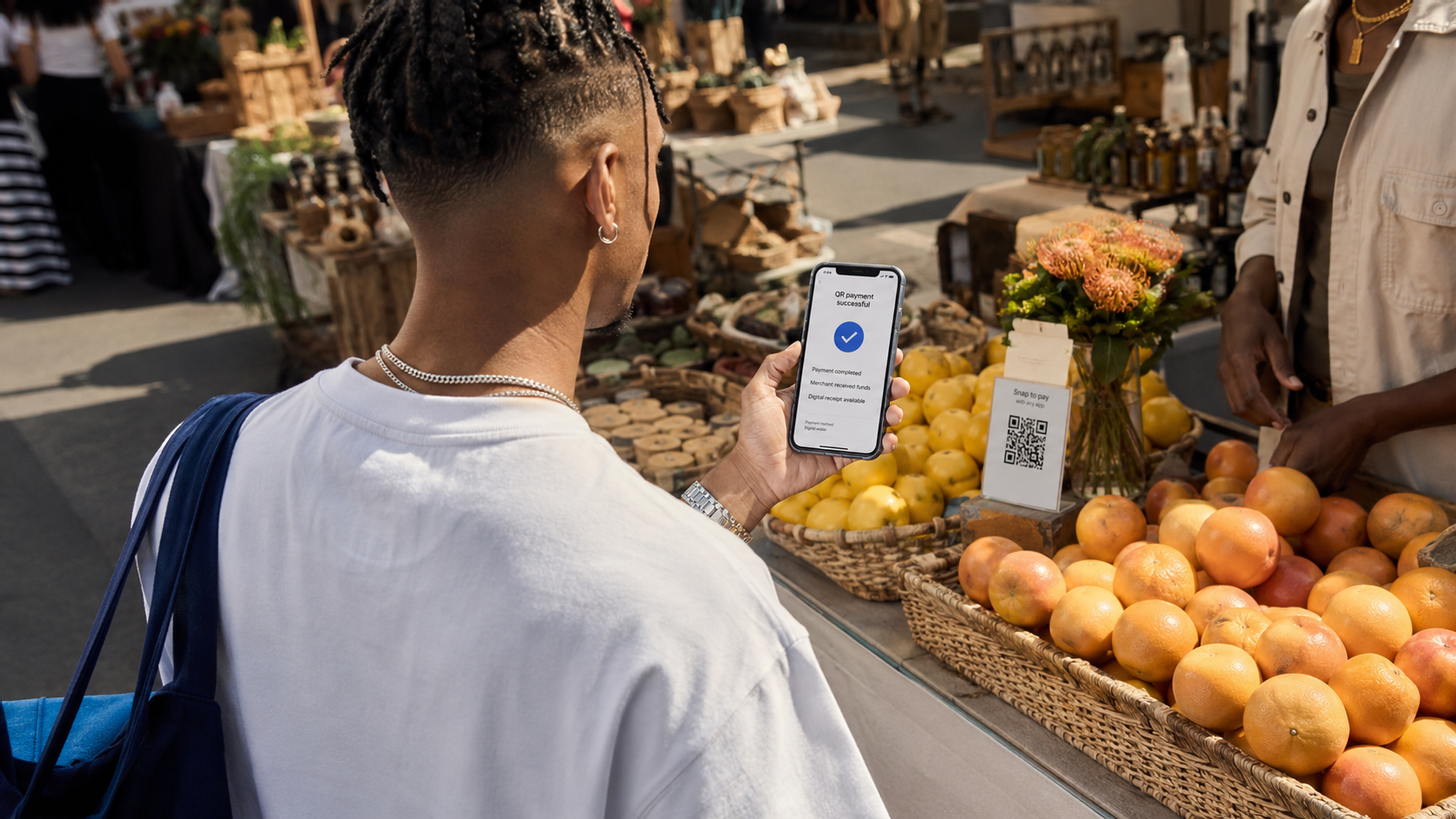
Don't stop at checking whether the page is responsive. Choose a product, select each of the important local payment methods and complete the payment. Test redirects and app-switching. See how QR-based methods behave when the customer is already on mobile. Try it on a slower connection.
8. Agree on what you're watching during peak
Even with plenty of preparation, you'll want to keep a close eye on performance once volumes start climbing. Decide what matters before your biggest shopping dates arrive rather than trying to build the monitoring plan in the middle of them.
Transaction volume, approvals, declines, retries and payment-method performance are all more useful when you can see them by market. If something starts moving unexpectedly, that breakdown helps you work out quickly whether you're looking at a broad checkout problem or something isolated to a country, issuer or method.
Your peak season payments checklist
MODEL THE DEMAND
- Review last year's peaks by market and payment method
- Forecast expected volumes for BFCM 2026
- Factor in new campaigns, markets and customer growth
- Test against realistic peak scenarios
- Share expected spikes with your payment provider
PREPARE THE PAYMENT SETUP
- Use local acquiring in-market to protect approval rates at peak
- Check retry logic for recoverable soft declines
- Review fallback options
- Agree on intervention thresholds
CHECK THE LOCAL PAYMENT MIX
- Review payment methods market by market
- Make sure relevant local methods are enabled and visible
- Check installment and BNPL options where appropriate
- Review how payment methods appear on mobile
REVIEW RISK AND AUTHENTICATION
- Review fraud rules against expected peak behavior
- Test authentication flows
- Get network tokens and Smart 3DS live
- Review rules that may react to sudden changes in volume
TEST CHECKOUT
- Complete the full journey on mobile
- Check currencies and languages
- Remove unnecessary fields and steps
- Test QR, redirect and app-switch flows
- Test on slower connections
PREPARE FOR THE WEEKEND
- Monitor volume against forecast
- Track approval rates by market and payment method
- Watch declines and retry performance
- Set alerts for unexpected changes
- Confirm escalation contacts across teams
And once the peak is over, use the data
Peak Season is also one of the best stress tests you'll get all year. Once the period is over, look at where volumes surprised you, which payment methods customers chose and how approvals performed.
The work doesn't quite end there, either. Make sure refund flows are ready, particularly where the process and timing vary depending on how the customer paid.
Then take those learnings beyond this time of the year. What you see now can tell you a lot about the everyday payment experience too.
Comunícate con nuestros expertos en pagos.
Ayudamos a empresas globales como Amazon, Spotify y Microsoft a encontrar nuevas oportunidades en mercados de alto crecimiento. Pensemos juntos y de manera innovadora soluciones de pago a medida para tu negocio. Completa este formulario y nos pondremos en contacto contigo lo antes posible.
Contáctanos