Interoperable QR Payments in APAC: How They Work and Why They Matter
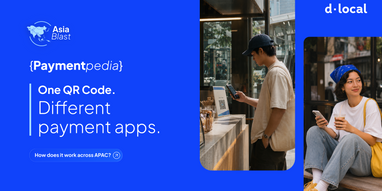
A customer scans a shop’s QR code, confirms the amount in a banking app and pays, even though the shop uses a different payment provider.
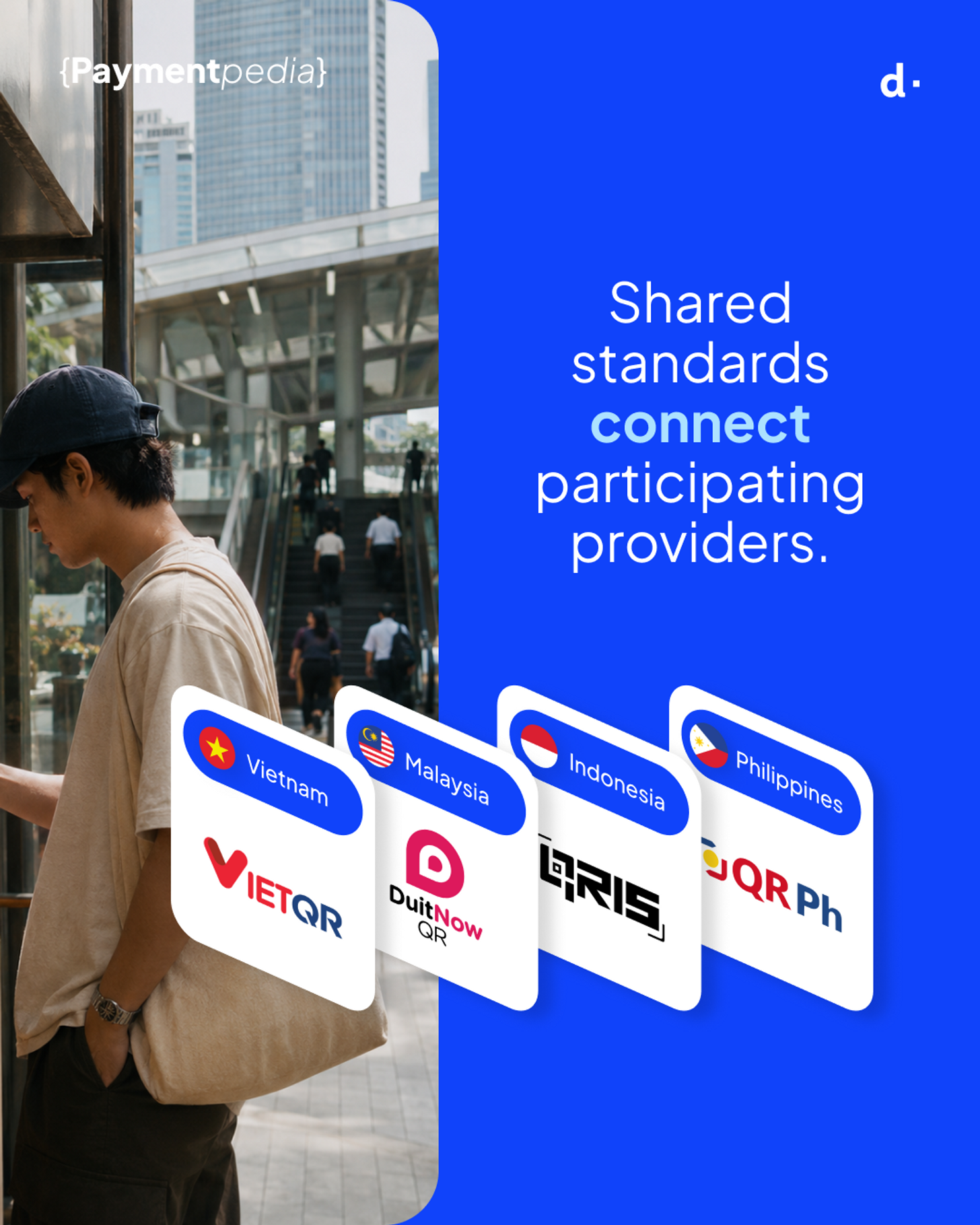
This is the idea behind interoperable QR payments: different providers working together so customers and merchants do not have to use the same method. Indonesia’s QRIS, for instance, is one example of a national QR-payment standard, with cross-border links to several Southeast Asian payment systems.
According to dLocal’s research-backed local payments handbook, The Local Code, similar systems operate in:
- Thailand (PromptPay): QR codes are a familiar way to make instant payments through supported banking and payment apps, including at street stalls and small shops.
- Philippines (QR Ph): The national QR standard for merchants lets customers scan a participating merchant’s code using a bank or wallet app, with payments moving over InstaPay.
- Vietnam (VietQR): The national QR standard supports bank transfers initiated by scanning a code. It is used for NAPAS 247 fast bank transfers. Cross-border services branded VietQRGlobal allow participating Chinese and South Korean payment-app users to pay at participating merchants in Vietnam.
- Malaysia (DuitNow QR): It is linked to QR payment systems in several regional markets, including Singapore, Thailand, Indonesia and Cambodia.
For businesses selling across Asia-Pacific (APAC), understanding that connection starts with the basics: what happens when someone scans a payment QR code?
How does a QR payment work?
A QR, or Quick Response, code is a square barcode that stores information. In payments, it can carry the details an app needs to identify the recipient and start a transaction. In a typical checkout where the merchant displays the code, the customer:
- Opens a participating banking or payment app and selects its QR-scanning option.
- Scans the merchant’s code, displayed on a sticker or screen.
- Checks the recipient and amount, entering the amount if it is not already included.
- Approves the payment using the app’s security steps, such as a PIN, and checks the confirmation.
Put simply, a QR code can provide payment details or open a payment page. Depending on how it’s set up, the customer may scan it with a compatible payment or banking app, or use their phone’s camera to open a link, then review and confirm the transaction. The exact steps vary by QR code, app, and merchant.
What makes a QR payment interoperable?
Some payment QR codes work only within one provider’s service. Customers using another provider may be unable to pay. Bank Indonesia describes this as one of the reasons to introduce its standardized QR payment system, the QRIS.
QRIS stands for Quick Response Code Indonesian Standard, a shared set of technical rules defining how payment information is arranged inside the code. Think of it as an agreed format that different apps can read. Interoperability also requires connections between payment providers to complete the transaction.
A merchant displaying a QRIS code can accept payments through apps from participating providers that support QRIS and are connected to the payment system. Cross-border use is possible in partner markets where QRIS has established interoperability arrangements.
Other APAC markets illustrate how shared QR formats connect different providers:
- In Malaysia, merchants receive a DuitNow QR code through a participating bank or eWallet provider. That single code accepts payments from participating banks and eWallets nationwide.
- In the Philippines, QR Ph is the national QR standard. Customers pay through their bank or eMoney provider’s app; QR Ph has no separate app of its own.
- In Vietnam, NAPAS’s FastFund 247 service uses VietQR codes to let customers transfer money between accounts at member banks without manually entering the recipient’s banking details.
These local arrangements are an important step toward interoperability, but they connect systems bilaterally rather than establishing one regional framework. Broader interoperability will require common technical standards and coordinated rules for regulation, settlement, operations and governance.
ASEAN already has coordinated regional payment connectivity initiatives, and Project Nexus is developing a multilateral framework for linking domestic instant payment systems.
What is the opportunity for merchants?
Interoperable QR standards can reduce the need for merchants to display separate codes for different payment providers, allowing customers to pay with a familiar app where it is supported. Thailand, Malaysia and Singapore have cross-border payment linkages, including QR payments at participating merchants. Availability is not universal: supported apps, payment types and merchants vary by country corridor and participating provider.
For merchants and partners, the practical next step is to check coverage market by market: which apps can pay, how payment success is confirmed, and how refunds, settlement and transaction matching work. The goal is straightforward: fewer compatibility barriers, with a familiar payment experience customers understand, helping merchants reach more customers and reduce checkout friction.